Aleya: The Elegant Script Font for Modern Web Design
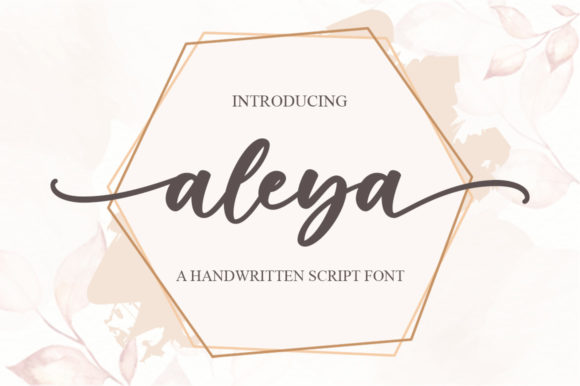
In the crowded landscape of digital design, choosing the right typeface is often the difference between a generic landing page and a memorable brand experience. As a web designer who spends hours refining visual hierarchy and user flows, I have found that Aleya stands out as a sophisticated choice for adding personality without sacrificing clarity. This delicate, elegant, and flowing handwritten font brings a human touch to screen-based interfaces, making it an ideal tool for creating emotional connections with your audience.
When integrating a script font into a website, the primary challenge is balancing aesthetic appeal with usability. Aleya solves this by offering beautifully balanced characters that maintain legibility even at smaller sizes. Its natural flow mimics genuine handwriting, which helps break up the rigid structure of standard layouts. Whether you are designing a boutique online store, a coaching website, or a creative portfolio, Aleya provides the perfect visual rhythm to guide users through your content.
Elevating Visual Hierarchy with Handwritten Style
Visual hierarchy is the backbone of effective web design. It dictates where a user looks first and how they process information. Using Aleya strategically allows you to create distinct focal points within your interface. Because of its unique character, this display font naturally draws the eye, making it exceptionally powerful for hero sections and main headlines.
Imagine a SaaS founder launching a new product. A standard sans serif headline might look professional but can feel cold. By swapping in Aleya for the primary value proposition, you instantly inject warmth and approachability. This shift in tone can significantly impact conversion rates by making the brand feel more personal and trustworthy. However, it is crucial to use it sparingly. In my experience, Aleya performs best when reserved for short phrases, section headings, or decorative accents rather than long blocks of text.
- Hero Titles: Use large sizes to establish an immediate brand voice.
- Call-to-Action Buttons: Apply to button labels like "Get Started" or "Shop Now" to add a playful nudge.
- Section Dividers: Use the font for small subheadings that separate content blocks.
- Logo Text: Ideal for branding elements where uniqueness is paramount.
Optimizing Readability Across Devices
Digital typography must perform flawlessly across a myriad of devices, from large desktop monitors to compact mobile screens. Aleya's well-balanced characters ensure that it remains readable even on smaller displays, provided it is paired correctly. When designing for mobile, always test the font size carefully. While the script style is elegant, it requires sufficient white space to breathe; cramped text can make the curves of the letters difficult to distinguish.
For dark backgrounds or image overlays, contrast is key. If you place Aleya over a busy photograph, ensure the text has a subtle shadow or a semi-transparent background layer to maintain legibility. Conversely, on light backgrounds, the delicate strokes of the font shine, offering a clean and airy aesthetic that feels modern and uncluttered. This versatility makes it a robust asset for responsive web design, ensuring your brand identity remains consistent whether the user is scrolling on a phone or browsing on a tablet.
Strategic Font Pairing for Digital Products
No single typeface can do everything. To achieve a professional look, Aleya needs a reliable partner. The golden rule of font pairing is to contrast the decorative with the functional. Since Aleya is a script font, it should be paired with a neutral, highly readable typeface for body copy.
I frequently recommend pairing Aleya with a simple sans serif font like Roboto, Open Sans, or Inter. The geometric cleanliness of a sans serif creates a striking counterpoint to the organic curves of Aleya. This combination ensures that while the headers capture attention, the paragraphs remain easy to scan and digest. For projects requiring a more editorial or traditional feel, such as a high-end fashion blog or a luxury travel site, pairing Aleya with a classic serif font can evoke a sense of heritage and sophistication.
This strategic pairing supports the overall goal of a cohesive brand identity. It prevents the design from becoming visually chaotic. When used correctly, the relationship between the script and the body text guides the user's eye smoothly down the page, improving the overall user experience (UX) and keeping visitors engaged longer.
Practical Applications for Online Businesses
The utility of Aleya extends far beyond just aesthetics; it serves specific business goals depending on the industry. For an online store, using Aleya on banners and sale announcements can create a sense of exclusivity and excitement. It transforms a standard promotional message into a curated invitation.
In the world of education, course sales pages benefit immensely from this typeface. A coach selling a workshop can use Aleya to write the course title, signaling that the content is crafted with care and personal insight. Similarly, for bloggers and content creators, using Aleya in the blog header or for pull quotes adds a signature style that distinguishes their digital presence from template-heavy sites.
Even in digital advertising, where attention spans are fleeting, Aleya cuts through the noise. A banner ad featuring a handwritten headline stands out against the sea of blocky corporate fonts. This differentiation can lead to higher click-through rates, as users are drawn to the novelty and elegance of the design.
Technical Considerations and Licensing
Beyond design, technical implementation matters. Aleya is PUA encoded, which offers flexibility in how characters are accessed and displayed, ensuring compatibility across various platforms and browsers. When sourcing your design assets, it is important to check the included file formats. Look for webfont availability in WOFF2 format to ensure fast loading times, which is critical for SEO and user retention.
Additionally, verify if the font includes multilingual support. If your project targets a global audience, having access to extended character sets can save significant time during development. Always review the commercial font licensing terms before deploying Aleya on client websites or in digital templates. Most premium commercial fonts require a license that covers web usage, including embedding in HTML/CSS files and usage in email newsletters.
By understanding these technical nuances, you can integrate Aleya seamlessly into your workflow. Whether you are building a custom theme, a landing page, or a complete brand kit, this modern typography option provides the tools necessary to elevate your digital products. It bridges the gap between artistic expression and functional design, proving that beauty and usability can coexist perfectly in the digital realm.
Ultimately, the decision to use Aleya comes down to the story you want to tell. If your goal is to create a warm, inviting, and distinctly human connection with your users, this handwritten font is a powerful ally. It turns standard web pages into engaging narratives, encouraging visitors to explore further and interact with your content on a deeper level.